Australia Turns Banana Waste into Sustainable Food Packaging Pulp
April 30, 2026 — Sydney, Australia
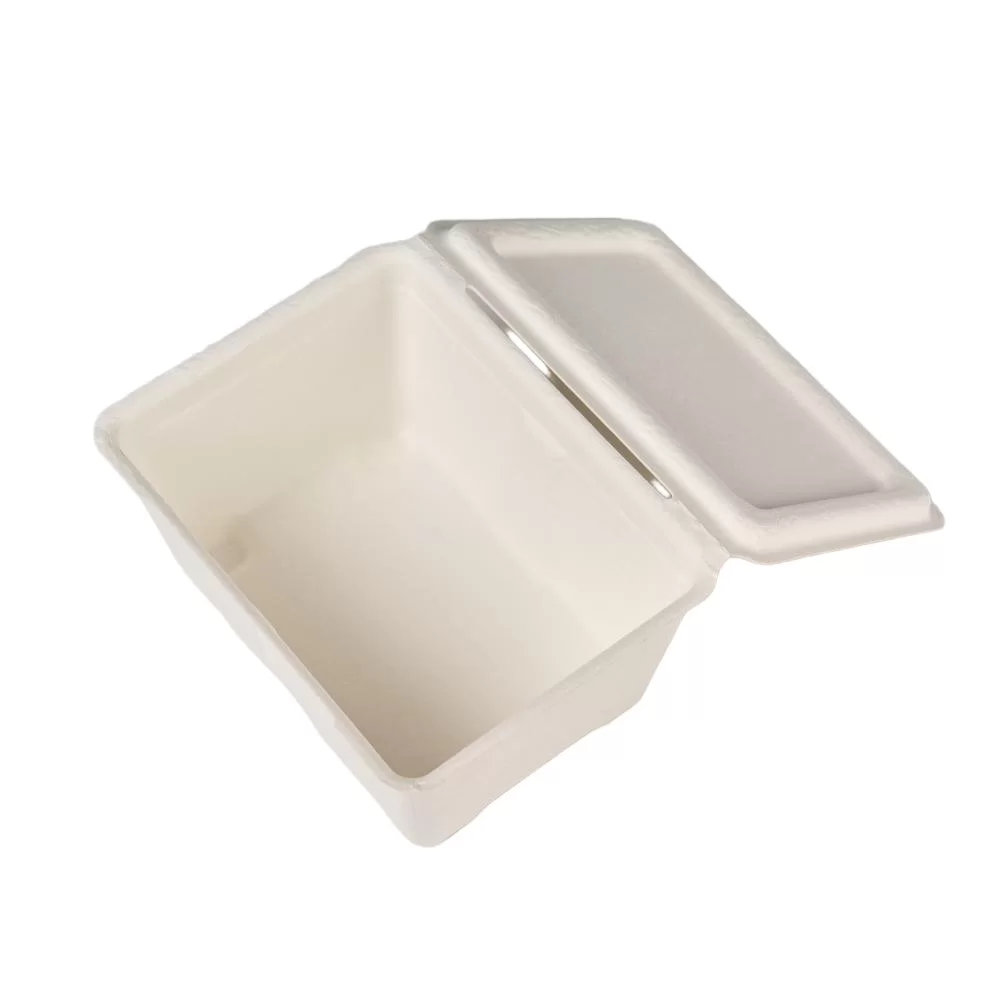
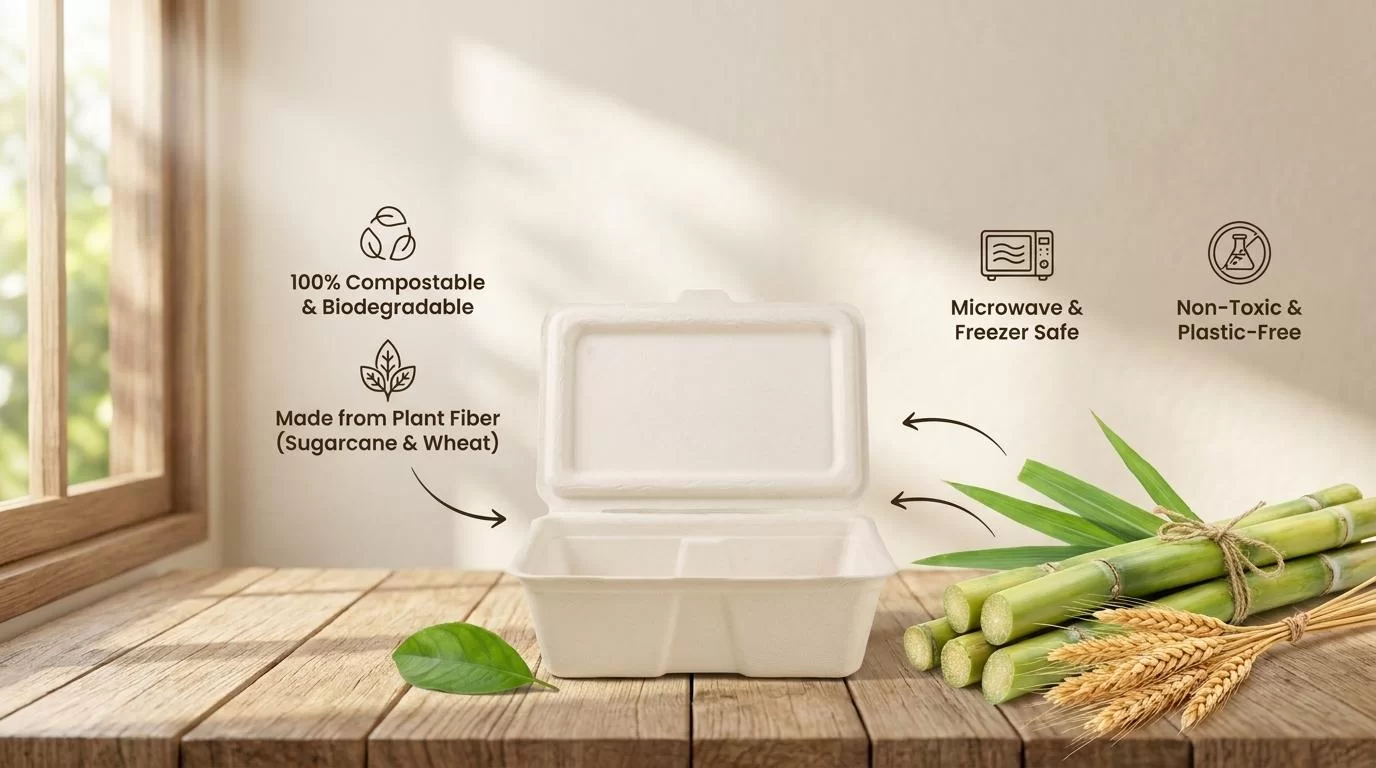
Australian firm Papyrus Australia has commercialized a breakthrough process that converts banana plantation waste—stems, leaves, and stalks—into food-safe pulp for containers, trays, and flexible packaging, addressing both agricultural waste and plastic pollution.
From Farm Waste to Food-Grade Pulp
Banana plantations generate over 12 million tons of organic waste annually worldwide, most of which is burned or left to rot, releasing methane. Papyrus Australia’s technology shreds and enzymatically treats the waste to extract high-strength, mold-resistant pulp without harmful chemicals. The resulting material is FSC-certified, compostable, and free of PFAS, making it suitable for direct food contact.
Major Food Brands Adopt Banana-Pulp Packaging
Australian retailers including Woolworths and Coles have begun rolling out banana-pulp trays for fresh produce (berries, tomatoes) and ready meals. Fast-food chain Hungry Jack’s is testing banana-pulp clamshells for burgers, replacing petroleum-based plastic. Early trials show the material extends shelf life by 2–3 days due to its natural moisture-regulating properties.
Environmental & Economic Impact
Each ton of banana waste processed saves 1.5 tons of CO₂ emissions and eliminates the need for 0.8 tons of virgin plastic. Papyrus Australia reports the pulp is 20% cheaper than sugarcane or bamboo-based alternatives, with supply chains localized to banana-growing regions (Queensland, New South Wales). The company plans to build 5 new processing plants by 2028, creating 300+ rural jobs.
Global Interest & Scaling Plans
The innovation has attracted attention from Nestlé and Unilever, which are testing banana-pulp packaging for snacks and ice cream in Southeast Asia and Latin America. Papyrus Australia’s CEO stated: “Banana waste is a free, renewable resource that turns a liability into a high-value packaging solution. We’re proving sustainability and profitability can go hand in hand.”
Industry Shift Toward Agricultural Waste Materials
This launch follows a wave of waste-to-packaging innovations:
Wheat straw pulp for cereal boxes (UK, 2026)
Mushroom mycelium for meat trays (EU, 2026)
Coconut husk fiber for snack bags (Philippines, 2026)
As regulations (EU PPWR, Canada SUP ban) and consumer demand for plastic-free options grow, agricultural waste-based packaging is poised to capture 15% of the global food packaging market by 2030.
Tech Giants Unveil Plastic-Free Electronics Packaging at CES 2026, As Market Surges to $26.57B
April 29, 2026 — Las Vegas, USA
The global consumer electronics packaging market is set to reach $26.57 billion in 2026, driven by a sweeping shift toward zero-plastic, fiber-first designs that balance protection, circularity, and premium unboxing. At January’s CES 2026, industry leaders including Amazon, Dell, and Lenovo showcased groundbreaking packaging overhauls, aligning with the EU’s June 2026 ban on single-use plastics (EPS, PVC, PS) and consumer demand for eco-conscious tech.
Amazon Leads with 100% Recyclable, Plastic-Free Device Boxes
Amazon’s 2026 packaging redesign for Echo, Kindle, and Fire TV devices eliminates all outer plastic wraps and laminations, replacing them with water-based coatings. The new brown kraft boxes feature 30% more recycled fiber, 60% less ink, and 98% wood fiber-based materials, cutting carbon footprints by 35% on average. Internal plastic trays and bags are swapped for molded pulp inserts, while QR codes replace printed manuals to reduce paper waste. “Sustainability doesn’t mean sacrificing protection or brand experience,” said Maiken Moeller-Hansen, Amazon’s Head of Device Sustainability. “Our new boxes are tougher, lighter, and fully recyclable—no exceptions.”
Dell & Lenovo Roll Out Molded Pulp & Glue-Free Structures
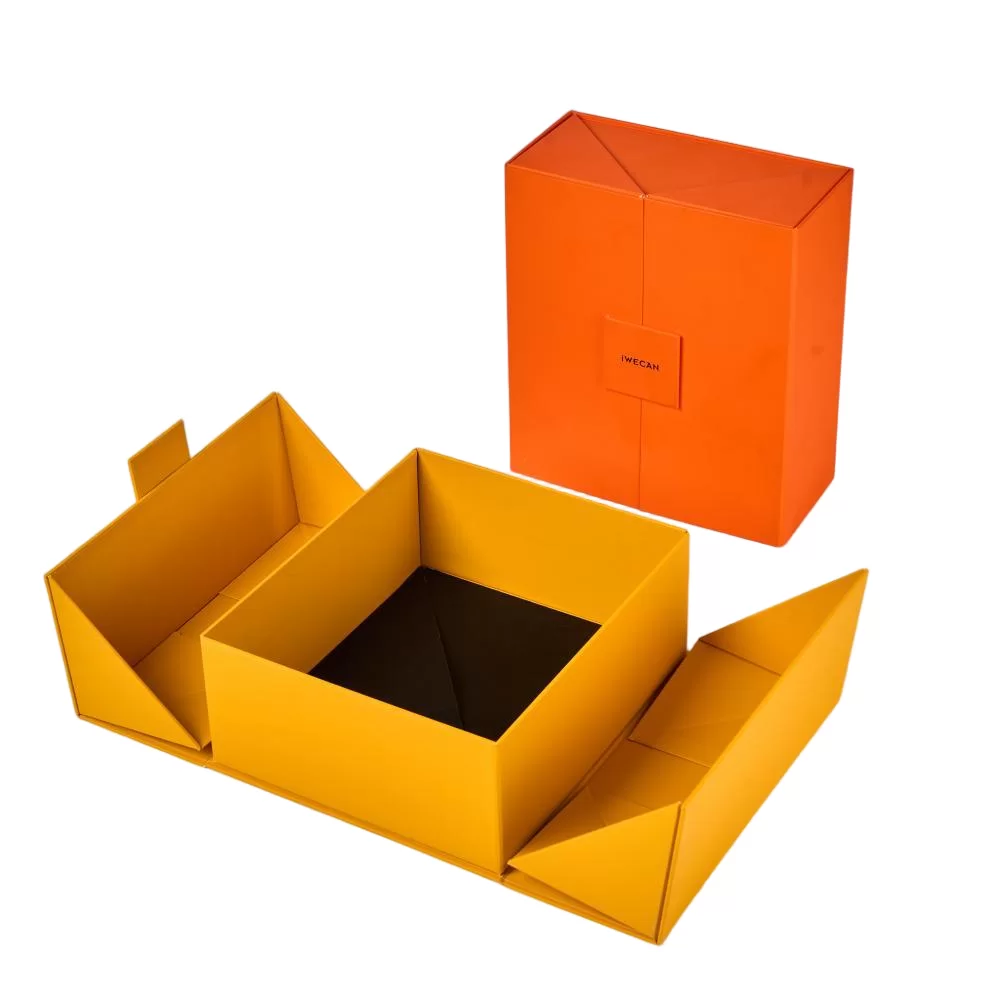
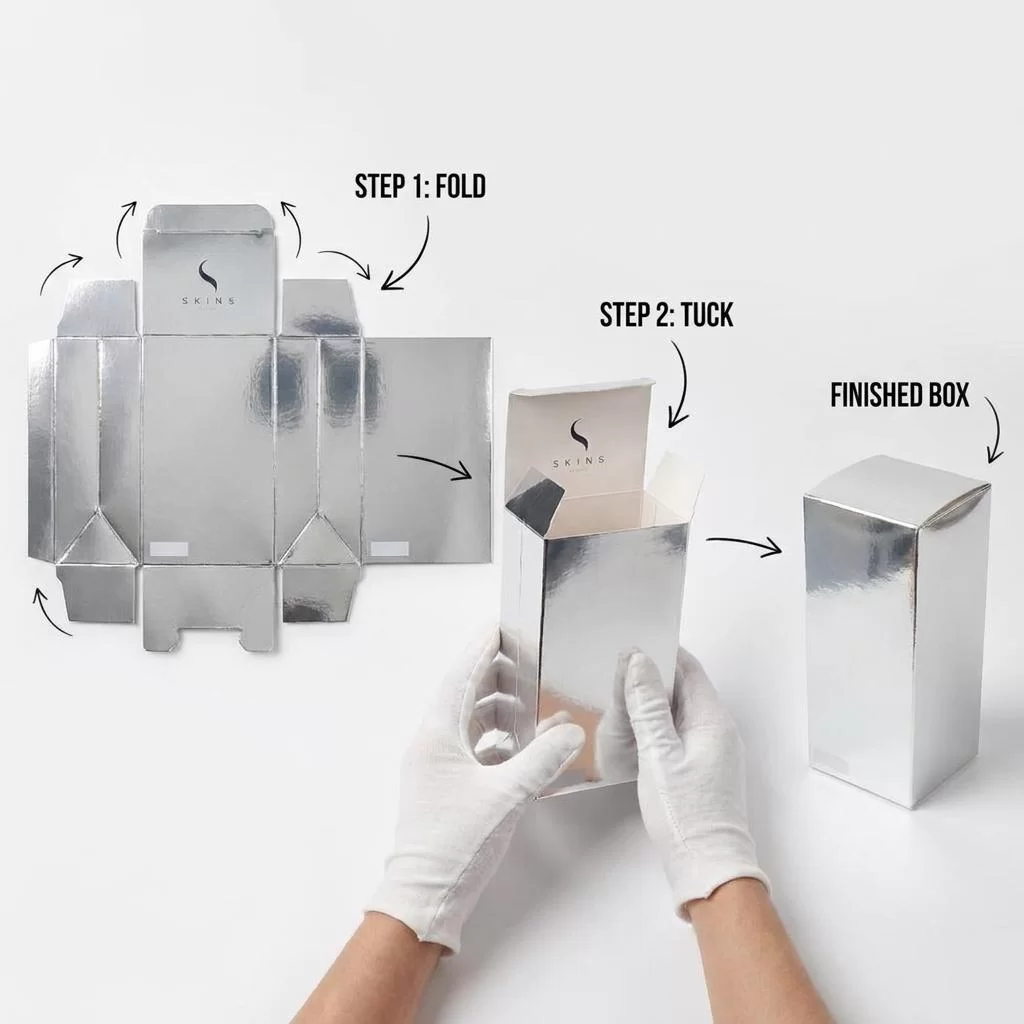
Dell’s 2026 laptop line ships in 100% renewable, plastic-free packaging using molded pulp cushioning made from sugarcane and bamboo fiber. The design eliminates all foam and plastic inserts, passing strict drop tests while being fully compostable at end-of-life. Lenovo’s premium ThinkPad series features glue-free, collapsible rigid boxes with unbleached FSC-certified paper, reducing plastic reliance by 92% and logistics costs by 28%. Both brands report zero increase in packaging costs, thanks to optimized material sourcing and streamlined production.
Sony’s “Zero-Plastic Headphone Boxes” Set New Standard
Sony’s flagship WF-1000XM5 headphones now come in 100% plastic-free packaging, a milestone for the audio industry. All plastic components—including ear tip bags, cable wraps, and EVA foam inserts—are replaced with molded paper pulp and recycled cardboard. The design cuts plastic usage from 96% to under 5% compared to previous models, while maintaining a premium, minimalist aesthetic. Sony’s “Original Hybrid Material,” a blend of recycled paper and plant-based binders, ensures durability and easy recycling.
Market Drivers & Outlook
Analysts project the electronics packaging market will grow at a 17.4% CAGR (2026–2034), with sustainable segments accounting for 70% of growth by 2030. Key drivers include:
Regulatory Pressure: EU PPWR bans single-use plastics by June 2026; 12+ countries enforce EPR laws for electronics.
Consumer Demand: 72% of tech buyers pay 10–15% more for products in plastic-free, recyclable packaging (2026 Bain & Company).
E-Commerce Growth: Direct-to-consumer sales surge, boosting demand for lightweight, shock-resistant paperboard and molded pulp solutions.
The Future: Circular Packaging as Standard
By late 2026, industry leaders agree: electronics packaging will no longer be “disposable.” Designs will prioritize second-life functionality—molded pulp inserts doubling as display stands, collapsible boxes for storage, and QR-enabled digital guides to eliminate paper waste. As Sony’s packaging team notes: “The best packaging is the one that doesn’t feel like waste—it feels like part of the product.”
Luxury Packaging 2026: Sustainability Takes Center Stage at LUXE PACK Shanghai, As Market Hits $15.42B
April 30, 2026 — Global Luxury Packaging Report
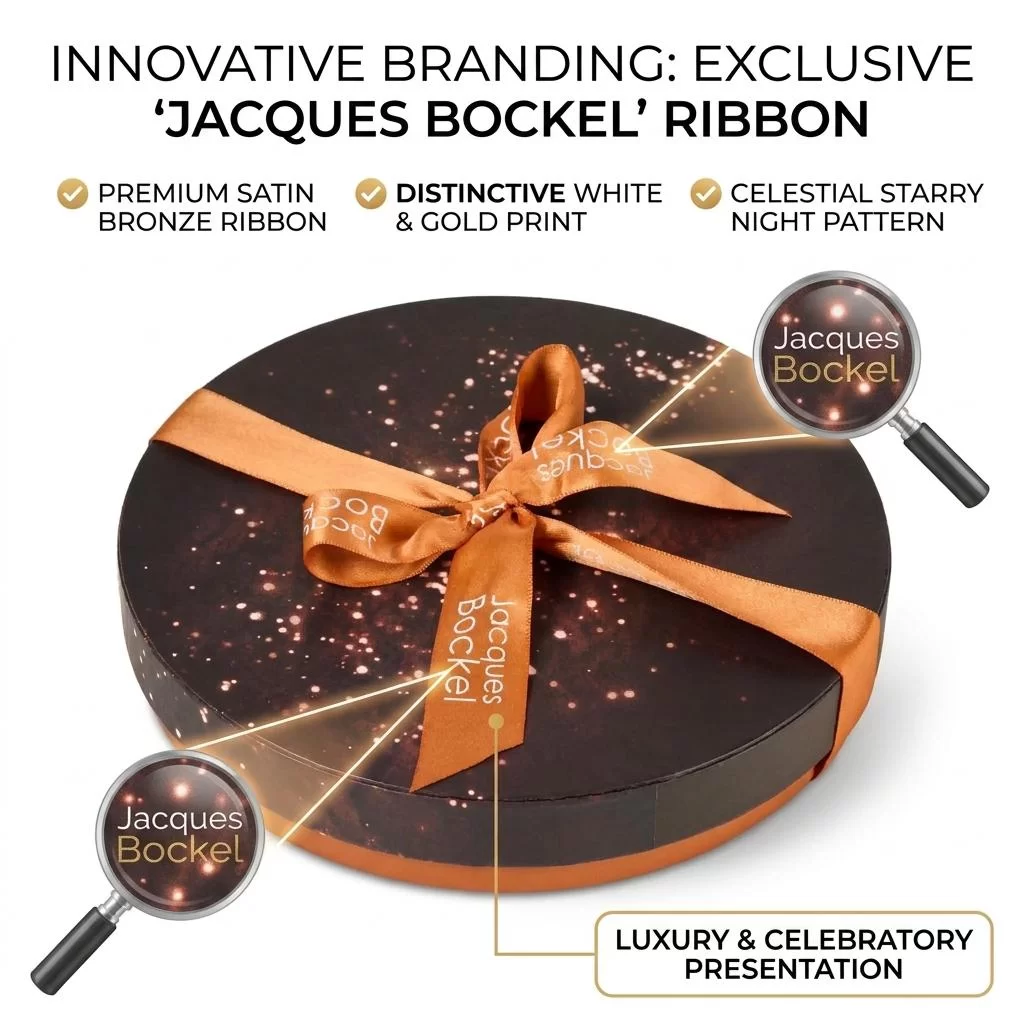
The global luxury packaging market is surging, reaching $15.42 billion in 2026 with a 5.7% CAGR, as sustainability and structural innovation redefine high-end unboxing experiences. The latest milestone wrapped up April 15 at LUXE PACK Shanghai 2026, Asia’s premier luxury packaging event, where 180 top suppliers showcased eco-friendly, plastic-free, and design-forward solutions to 5,028 professional attendees from 40+ countries.
LVMH Leads Zero-Plastic Push
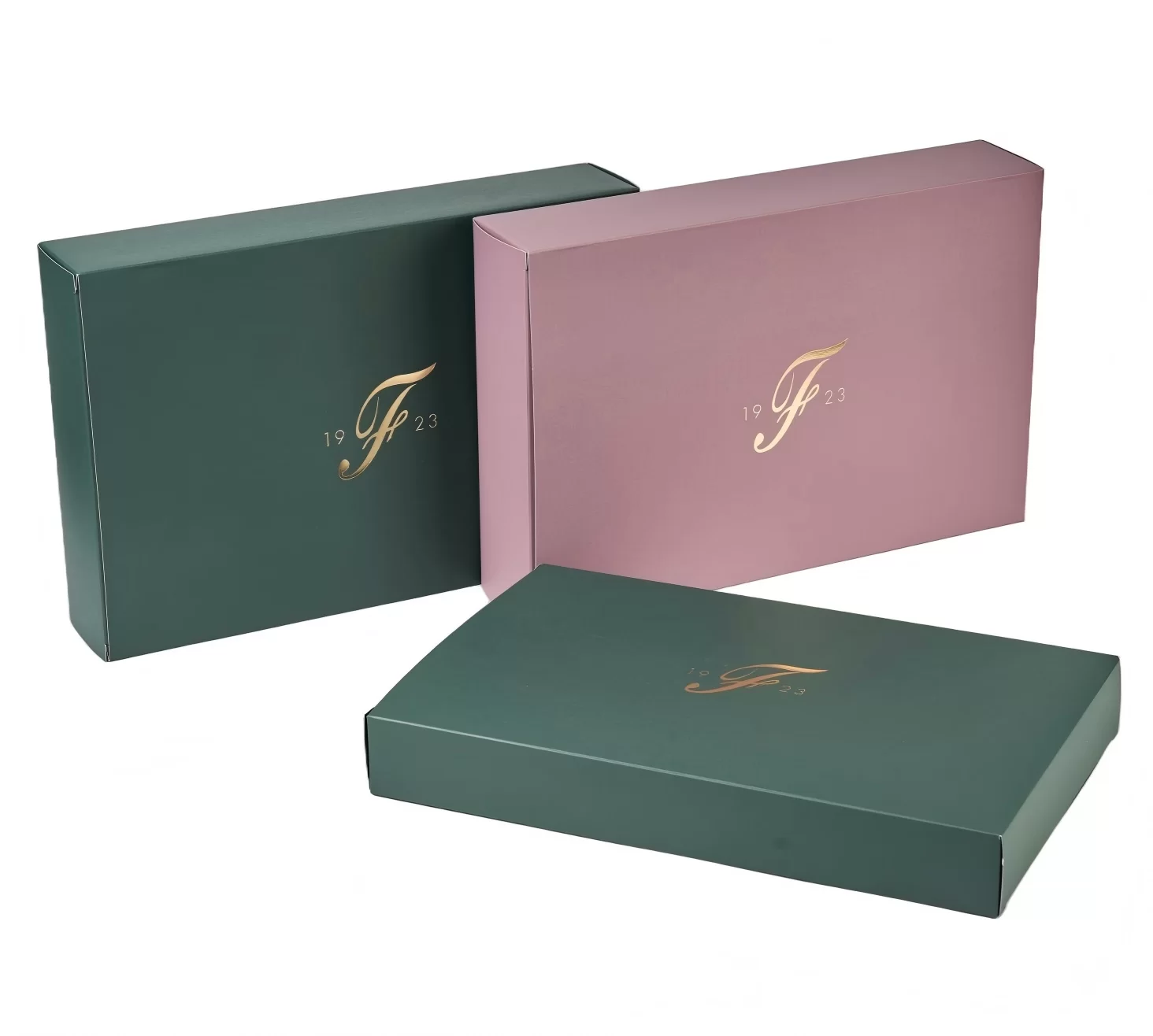
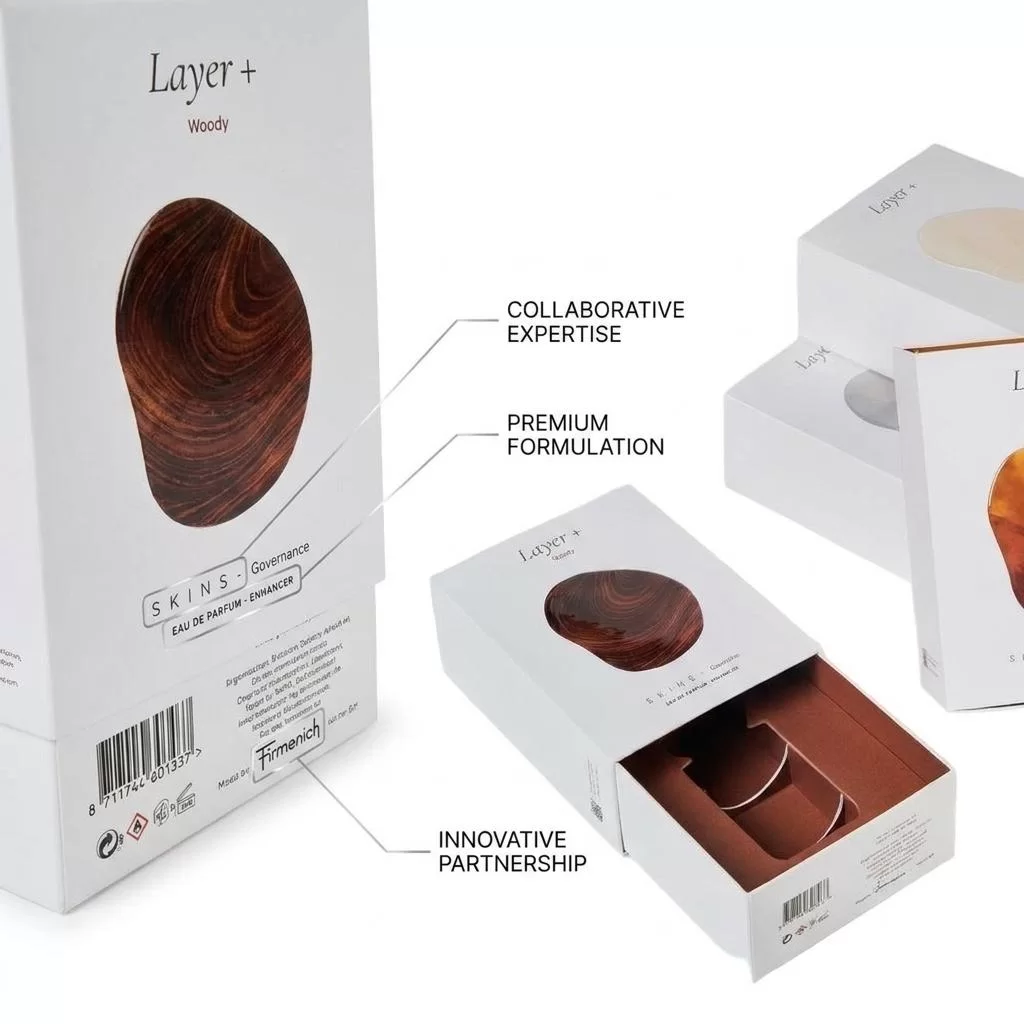
A dominant industry shift is the race to eliminate virgin fossil-based plastic. Under its LIFE 360 sustainability roadmap, LVMH Group enforced a 2026 zero-virgin-plastic mandate for secondary packaging across its prestige fragrance and beauty divisions. This has accelerated demand for pure-fiber, glue-free collapsible boxes—like Muge Packaging’s Pure Fiber series—that maintain luxury haptics while meeting EU PPWR (Packaging and Packaging Waste Regulation) deadlines.
“Structural Honesty” Wins Gen Z
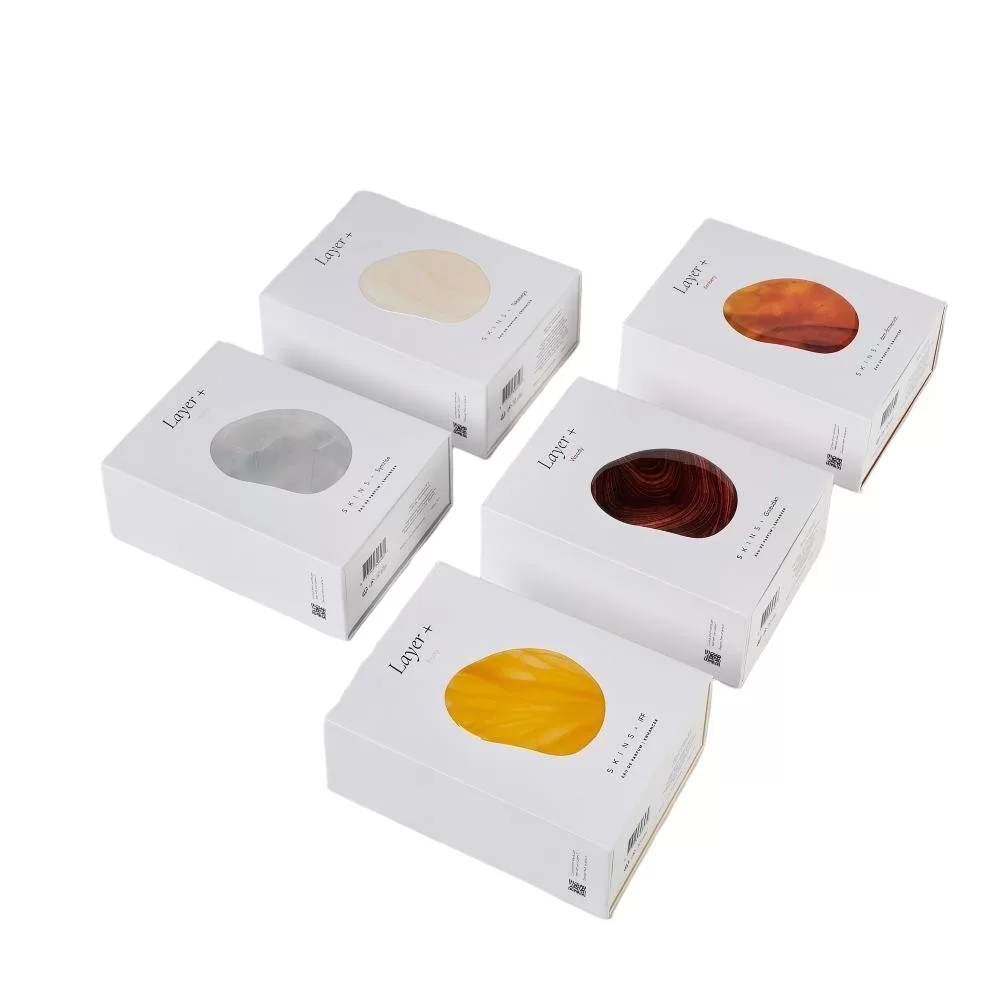
2026’s defining design trend is Structural Honesty, replacing over-the-top “theatrical unboxing” with minimal, transparent construction. Gen Z luxury shoppers prioritize visible interlocking tabs, zero hidden glue, and unbleached recycled paper textures—seen in launches from DIBS Beauty and Heretic Parfum—valuing authenticity over excess. Collapsible magnetic rigid boxes, which fold flat for shipping and storage, are up 72% YoY in Q1 2026, cutting logistics costs by 30–40% for beauty and wine brands.
Materials Revolution: Paper, Pulp, and Circularity
At LUXE PACK Shanghai, paper and pulp-based solutions took top honors. The “Best Eco-Packaging Award” went to Kaiyuan Packaging’s plastic-free transfer coating, a sustainable alternative to traditional lamination that solves paper’s plastic-free challenge. Yongfa Printing displayed molded pulp packaging made from bamboo and sugarcane, replacing 300 million plastic units annually and reducing CO₂ emissions by 3,400 tons.
Market Outlook
Analysts project the luxury packaging sector will hit $19.47 billion by 2030, with sustainable segments accounting for 60% of growth. As regulations tighten and consumer expectations evolve, 2026 marks a turning point: luxury packaging is no longer just about aesthetics—it’s about circularity, transparency, and purposeful design.
April 14, 2026 — Global packaging leader Amcor plc has partnered with French organic chocolate brand Alter Eco to unveil a breakthrough paper-based packaging solution for premium chocolate bars, eliminating traditional aluminum foil and reducing overall packaging weight by up to 61%.
Designed for Alter Eco’s 200g chocolate bar range (sold across France), the new packaging replaces a conventional cardboard sleeve and inner aluminum foil with Amcor’s AmFiber™ Performance Paper—a recyclable, FSC-certified fiber substrate engineered for high barrier performance against moisture, grease, and oxygen. The design features a natural kraft aesthetic with a matte finish, preserving the brand’s premium shelf presence while meeting strict French recycling standards (recyclable in mainstream paper streams).
A key technical challenge was adapting the paper structure to protect textured inclusions (e.g., almonds) without compromising visual quality—an issue resolved through Amcor’s advanced coating and forming technology. The launch follows successful trials with Swiss co-packer HALBA, validating scalability for mass production.
“This partnership redefines what’s possible for chocolate packaging sustainability,” said a senior Amcor innovation director. “By replacing multi-layer plastic-foil composites with a single-stream recyclable paper solution, we’re addressing one of the confectionery sector’s most intractable environmental pain points.”
The move aligns with surging industry demand for circular packaging: a April 2026 IndexBox report forecasts the global chocolate bar packaging market to grow at a 6.5% CAGR (2026–2035), with sustainable materials capturing 40% of new product launches as EU and UK recycled-content regulations tighten. Competitors including Mondelēz (Cadbury) have also accelerated recycled plastic adoption, with 65–80% post-consumer content in 2026 Easter ranges.
Alter Eco’s packaging redesign will roll out to all French SKUs by June 2026, with plans to expand to European and North American markets by Q4 2026. Industry analysts predict the AmFiber™ platform could become a benchmark for premium chocolate, driving further investment in paper-based barrier technologies as brands balance sustainability, performance, and consumer experience.
×
If you are interested in our products, you can choose to leave your information here,
and we will be in
touch with you shortly.