Collapsible Gift Boxes Boom in 2026: Space-Saving, Magnetic, and 100% Recyclable Lines Take Over Luxury Gifting
April 30, 2026 — Global Packaging Innovation HubThe global gift box market is witnessing an unprecedented surge in
collapsible (foldable) luxury designs in spring 2026, as brands and consumers ditch bulky, single-use rigid boxes for slim, flat-packable, magnetic-closure options that cut logistics costs by 30–40% and meet strict EU recycling rules.
Leading packaging manufacturers including Premier Packaging and GPL Pak report that collapsible gift box orders jumped 72% year-over-year in Q1 2026, with beauty, wine, fashion, and corporate gifting sectors driving demand. Unlike traditional rigid boxes, these new designs fold completely flat (1.5–2mm thick) when empty, reducing storage volume by up to 80% and shipping weight by 25%—a critical advantage for e-commerce brands and international distributors.
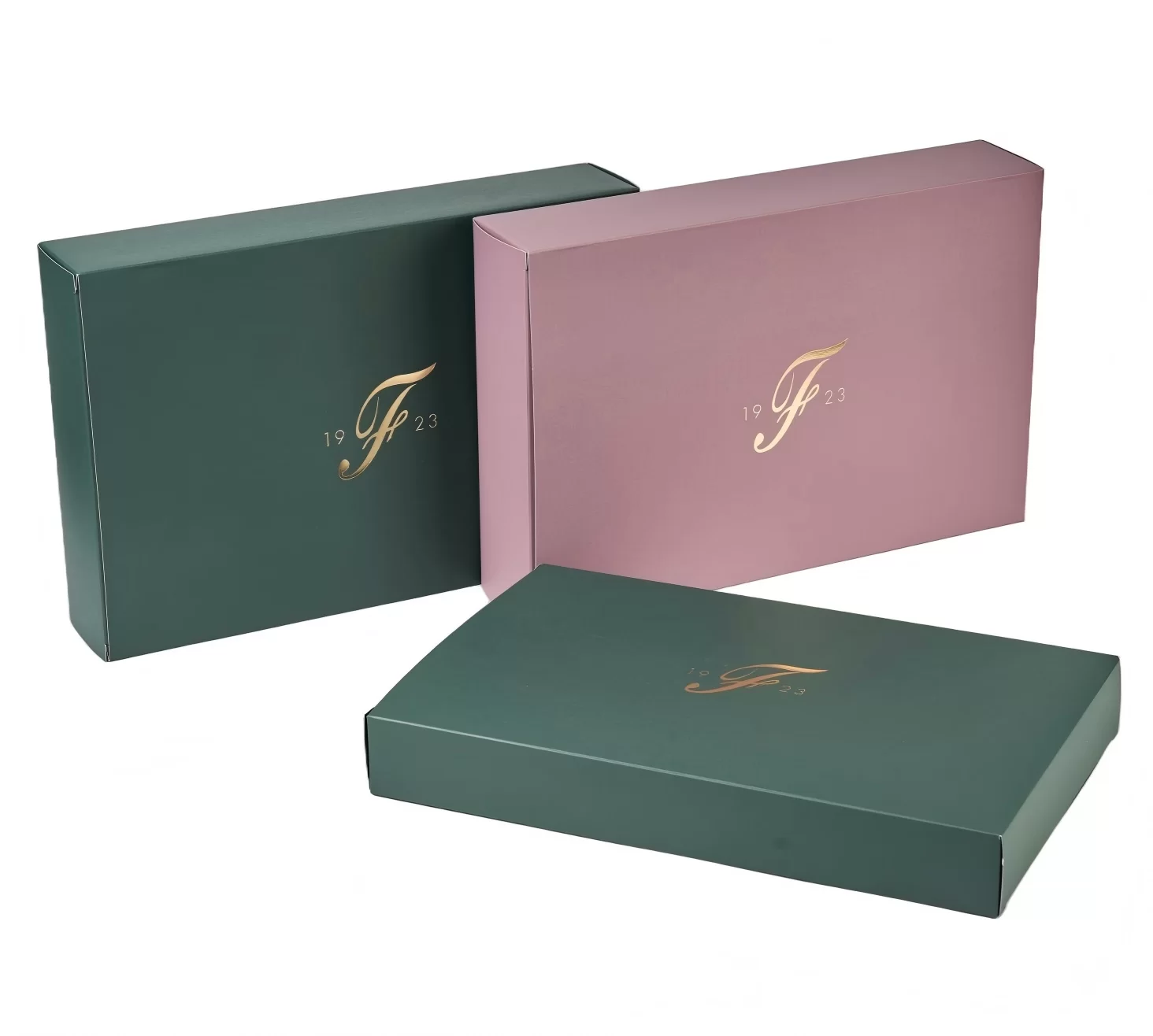
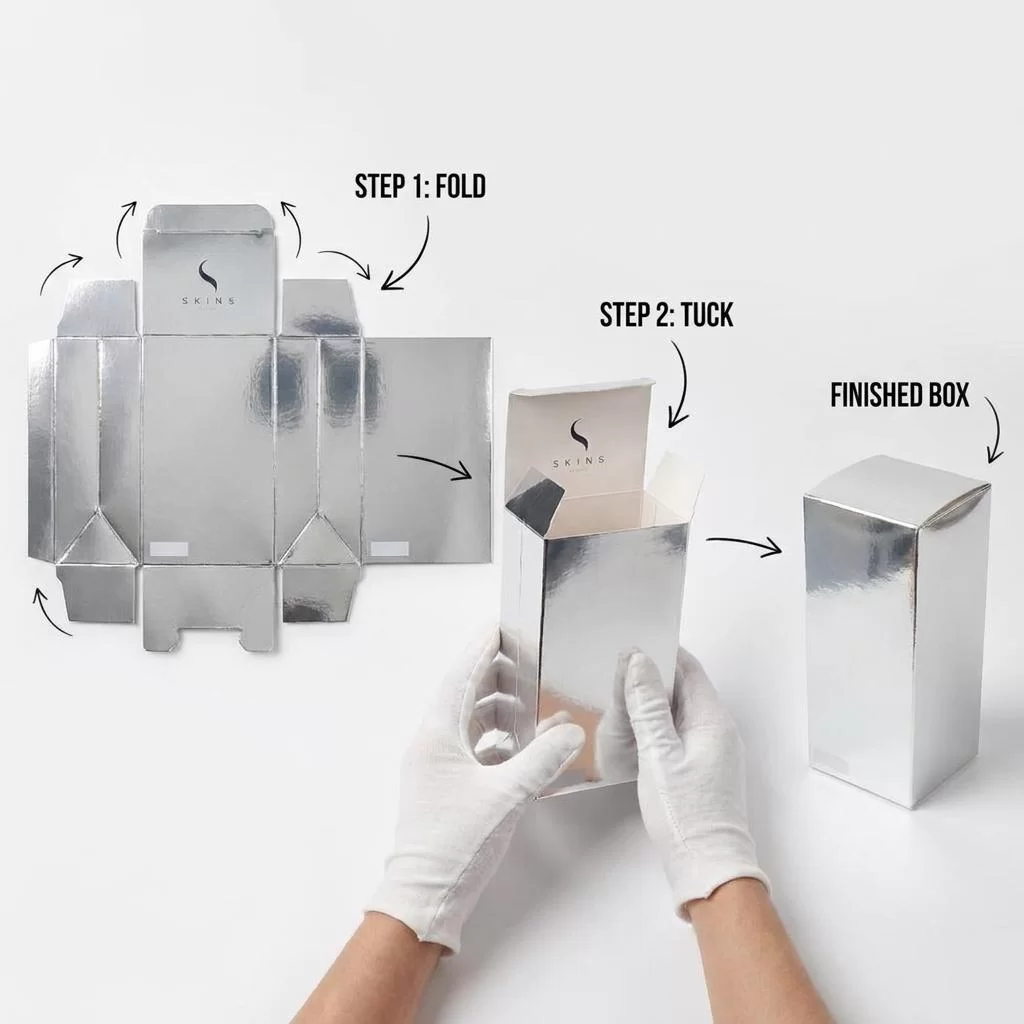
The 2026 standout is the magnetic collapsible rigid box: made from FSC-certified 350–450gsm paperboard, with hidden neodymium magnets along the edges for tool-free assembly in 2–3 seconds. No glue or tape is needed, and the boxes can be folded and reopened hundreds of times without losing structural integrity. Top finishes include soft-touch matte coating, soy-based ink printing, and minimal hot foil stamping—100% plastic-free and fully recyclable.
E-commerce and sustainability are the two biggest drivers. Amazon, Alibaba, and major luxury marketplaces now prioritize flat-pack packaging to cut “shipping air” and lower carbon footprints. A 2026 survey found 79% of luxury shoppers prefer collapsible gift boxes because they are easy to reuse for storage, travel, or regifting.
Innovations keep coming:
- Smart collapsible boxes with QR/NFC tags for blockchain traceability and digital gifting messages.
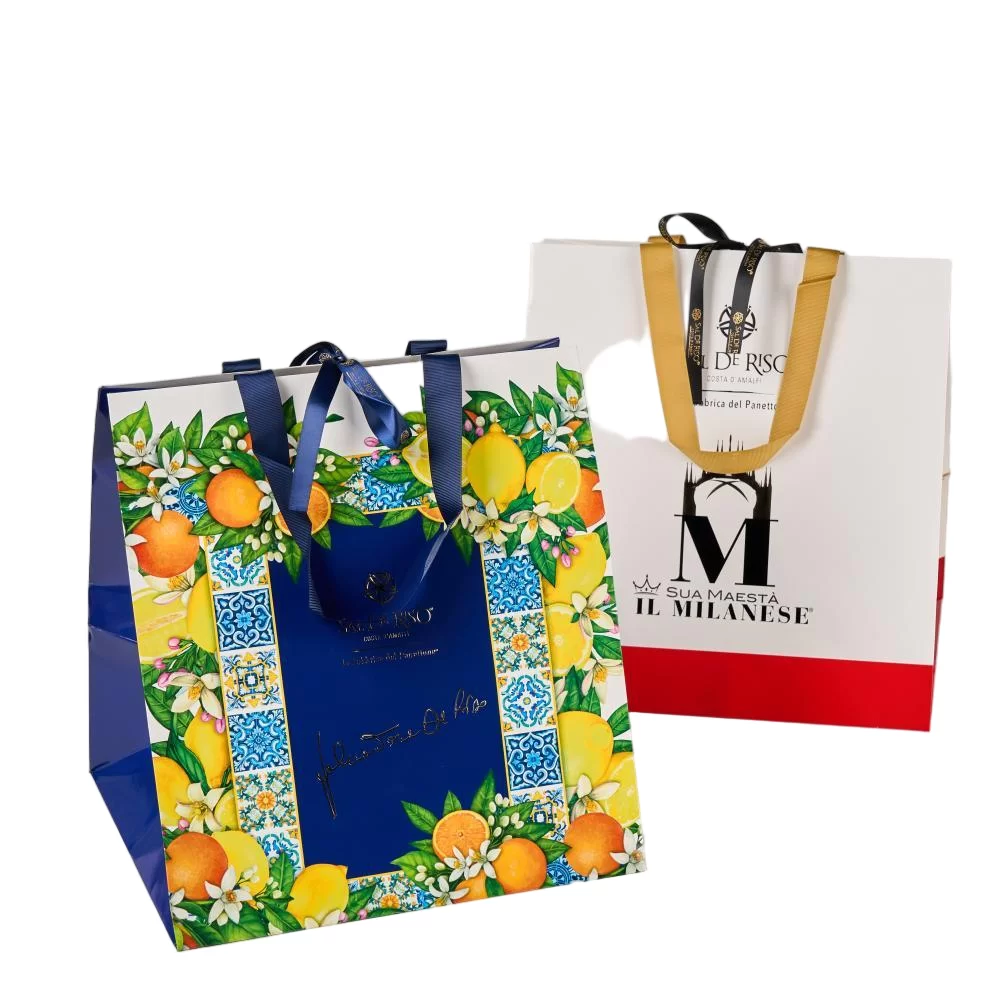
- Handbag-style foldable boxes with fabric shoulder straps for fashion and cosmetics.
- Modular collapsible sets that nest together for multi-item gifts.
Challenges remain: high-end collapsible boxes cost 15–20% more to produce than standard folding cartons, and small brands face minimum-order hurdles. However, the ROI is clear: lower shipping and storage costs, plus a 10–15% higher perceived value among consumers.
Industry analysts project the collapsible gift packaging market will reach $2.8 billion by 2030, accounting for 60% of the total luxury gift box segment. As circular economy laws tighten globally, collapsible, reusable, and recyclable designs are no longer a trend—they’re the new standard.

 Apr 30, 2026
 Apr 30, 2026
 Apr 30, 2026
 Apr 17, 2026

