Eco-Friendly Electronics Packaging Hits Mainstream as Brands Race to Meet EU PPWR Deadlines
April 29, 2026 — Global
The electronics packaging industry is accelerating its shift to 100% plastic-free, recyclable designs as the EU’s Packaging and Packaging Waste Regulation (PPWR) enforcement looms in June 2026. With single-use plastics like EPS, PVC, and PS facing bans, OEMs and packaging suppliers are scaling fiber-based and molded pulp solutions, while the global market is projected to reach $97.18 billion by 2033.
Apple Cuts Packaging Waste by 40% in 2026 European Lineup
Apple’s 2026 MacBook and iPhone launches in the EU and UK feature drastically simplified, plastic-free boxes. All devices ship without chargers or EarPods (already standard for iPhones), eliminating 3,200 tons of accessory packaging annually. The outer boxes use 65% recycled paper and water-based coatings, while internal components replace plastic trays with molded pulp made from sugarcane and bamboo. “Our goal is zero plastic in all consumer packaging by 2027,” said Lisa Jackson, Apple’s VP of Environment, Policy and Social Initiatives.
Molded Pulp Emerges as the Go-To Protective Material
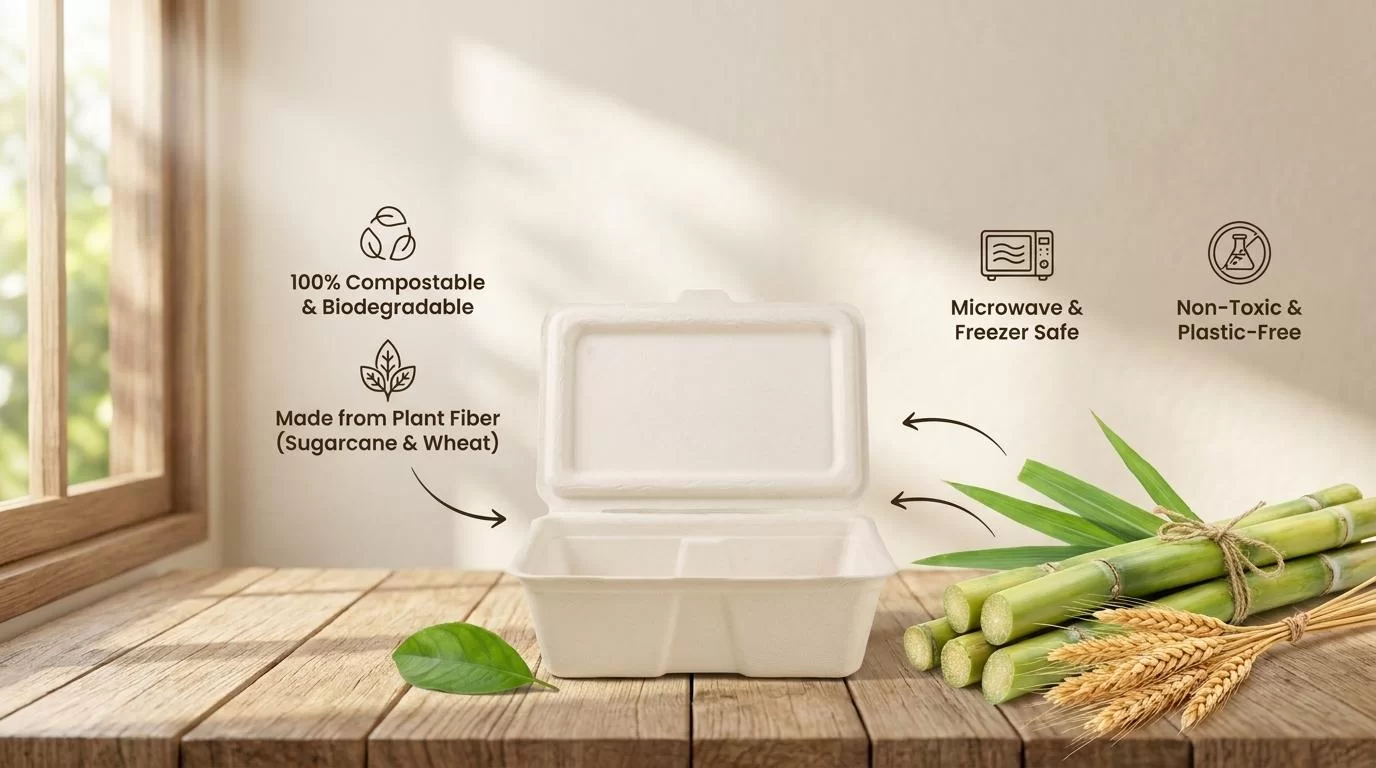
At the 2026 China Electronic Information Expo (CITE), suppliers showcased high-performance molded pulp cushioning designed for fragile electronics. New structures—including interlocking pulp trays and shock-absorbent corner protectors—pass 6-foot drop tests while being fully compostable. Dell’s 2026 UltraSharp monitors now use bagasse-based pulp inserts, removing 1,200 tons of EPS foam from their supply chain yearly. Even budget smartphone brands like Xiaomi and Oppo have adopted molded pulp for mid-range devices, citing 20% lower costs than plastic foam.
Regulatory Pressure Drives Global Compliance
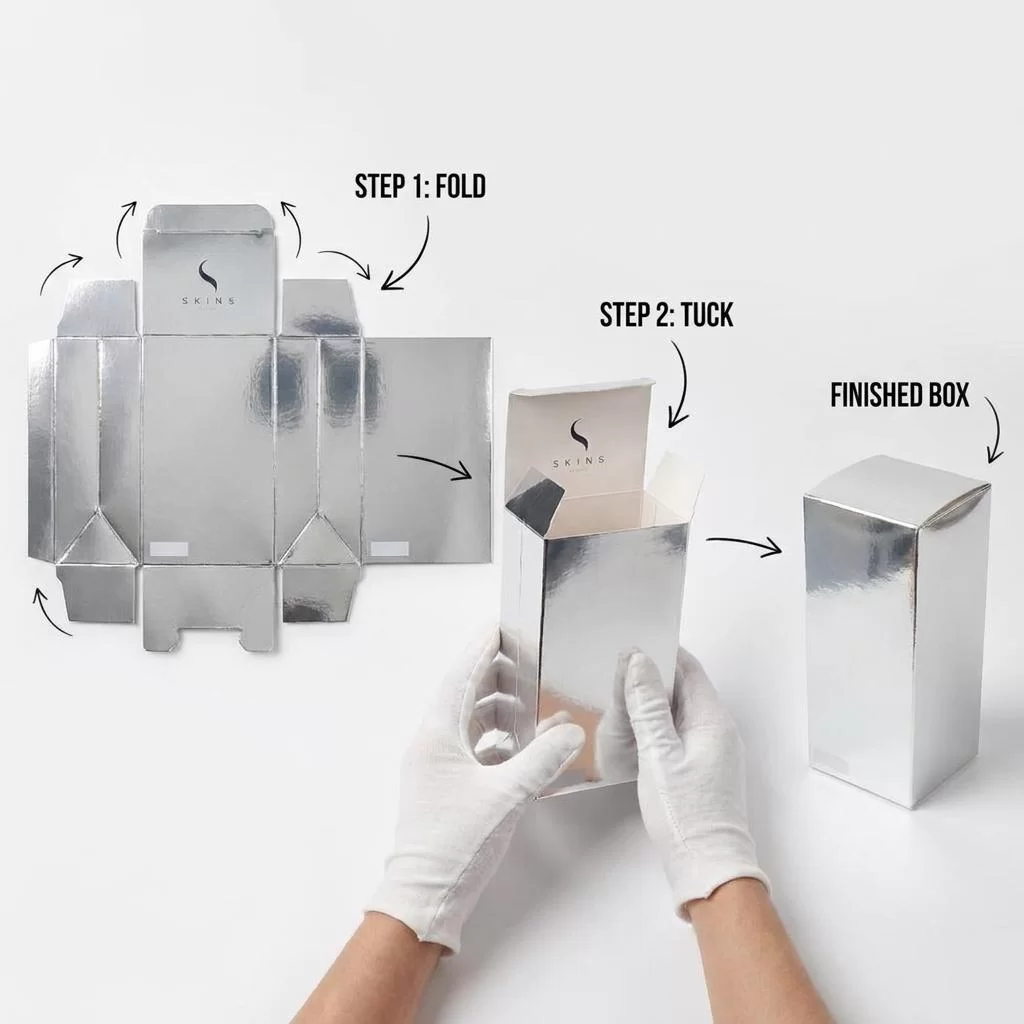
Beyond the EU, 18 countries have enacted Extended Producer Responsibility (EPR) laws for electronics packaging in 2026. The U.S. and Southeast Asia are following suit, with California banning plastic blister packs for electronics by 2027. This global push has spurred innovation in glue-free rigid boxes and reusable fabric dust bags, with Lenovo reporting a 28% reduction in logistics costs from collapsible, lightweight designs.
Consumer Demand Fuels Premium Eco-Packaging
A April 2026 survey by McKinsey & Company found that 76% of global electronics buyers prioritize sustainable packaging, with 61% willing to pay up to 10% more for products in plastic-free boxes. This has led brands like Samsung to launch “Eco-Unboxing” experiences, where QR codes replace printed manuals and seed-paper inserts can be planted to grow flowers. “Packaging is no longer just protection—it’s a brand statement,” noted a Samsung packaging design lead.
Outlook: Circularity Becomes Standard by 2028
By late 2026, industry analysts predict that 80% of premium electronics will ship in plastic-free packaging, with molded pulp and FSC-certified paper dominating the market. The focus will shift from “recyclable” to “circular,” with designs enabling easy disassembly and material recovery. As PPWR enforcement begins, one thing is clear: the era of excessive plastic electronics packaging is over.

 Apr 30, 2026
 Apr 30, 2026
 Apr 17, 2026
 Feb 27, 2026

